

The medals have been hung up. The season's PRs are logged. And now? Your young athlete is staring down a few months without a meet on the calendar. If you're wondering whether your kid should stay active or "just rest" until the next season kicks off: we're here to tell you: the off-season is where champions are built.
At Team SUPA, we've seen it time and time again. The athletes who show up during our off-season training window (September through November) come back to the track stronger, faster, and way more confident. That's because off-season training isn't about racing: it's about building the foundation that makes racing possible.
Let's break down what your athlete should be working on during the off-season, how we use tech-infused training to keep things sharp, and what you can do at home to keep your young runner ready for whatever comes next.
Why the Off-Season Matters (Spoiler: It's All About the C3 Process)
Here at SUPA, everything we do revolves around what we call the C3 Process: Commitment, Coaching, and Competition. And guess what? The off-season is where the first two Cs get their biggest workout.
Commitment means showing up even when there's no trophy waiting at the end of the week. It's the discipline to train when your friends are taking the season off. Coaching means using this quieter time to refine technique, fix bad habits, and build a base that'll carry your athlete through the entire next season. And when Competition rolls back around? Your kid will be miles ahead of where they were last year.
The truth is, most youth athletes lose fitness and form during long breaks. They come back to the first practice rusty, tight, and playing catch-up. But the athletes who put in intentional work during the off-season? They hit the ground running, literally.
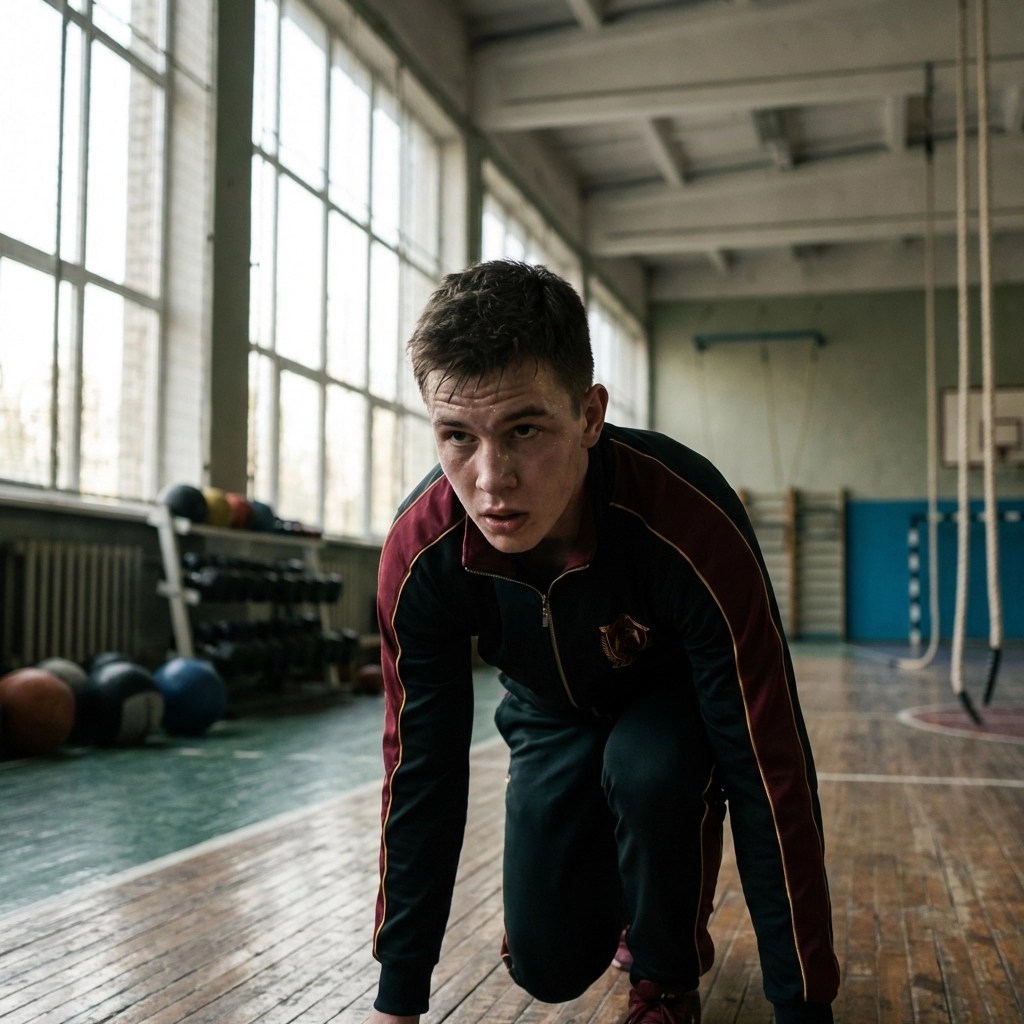
What Does "Foundational Training" Actually Mean?
You've probably heard coaches throw around terms like "foundational movements" or "base building." But what does that actually look like for a 9-year-old sprinter or a middle schooler trying out for the first time?
Here's the good news: foundational training isn't complicated. It's about focusing on the movement patterns and physical qualities that every athlete needs, no matter their event. Think of it like building a house: you wouldn't start with the roof. You'd pour a solid foundation first.
For track and field athletes, that foundation includes:
Mobility and Flexibility
This is where a lot of young athletes lose ground during the off-season. If your kid isn't stretching or working on their range of motion, those hip flexors and hamstrings are going to tighten up fast. We're talking about dynamic stretches, yoga flows, and mobility drills that keep joints healthy and muscles loose.
At the SUPA YouthPlex, we dedicate time every session to guided mobility work. But at home? A simple 10-minute stretching routine before bed can work wonders. Focus on the hips, ankles, and shoulders: these are the areas that take the most beating during track season.
General Strength Development
Notice we said "general" strength, not "max out on squats" strength. For youth athletes, off-season strength work should focus on bodyweight exercises, resistance bands, and progressive overload: gradually increasing the challenge over time without overdoing it.
Push-ups, lunges, planks, and single-leg exercises are gold. They build muscle endurance, improve core stability, and reduce the risk of injury when the competitive season ramps back up.
And here's where our tech comes in: we use tools like the VALD SmartSpeed timing system to track progress on movement drills. Your kid might not be racing, but we're still measuring how quickly they can move through a shuffle drill or how explosive their jump is off one leg. That data helps us see if they're getting stronger: even without a stopwatch at the finish line.

Aerobic Conditioning (Without Burning Out)
Off-season cardio should feel easier than in-season training. The goal isn't to crush interval workouts every day: it's to maintain a solid aerobic base so your athlete doesn't start from zero when practice starts back up.
Think low-intensity, longer-duration activities: easy-paced jogs, bike rides, swimming, or even playing pickup basketball. These keep the cardiovascular system engaged without the stress of high-intensity sprints or race-pace efforts.
We program 2-3 days per week of light aerobic work during our off-season sessions, and we encourage families to stay active together. A weekend hike or a family bike ride counts: movement is movement!
Speed and Technique Work
Here's a secret: the off-season is the best time to work on form. During the competitive season, athletes are too focused on results to slow down and fix their mechanics. But in the off-season? We can take the time to drill proper arm swing, foot strike, and stride efficiency.
At SUPA, we use video analysis and coach feedback to help athletes see what they're doing and make adjustments in real time. We'll also run low-intensity speed drills: nothing maxed out, but enough to keep those fast-twitch muscle fibers awake.
Parents, if your kid is working on technique at home, focus on one thing at a time. Maybe it's keeping their shoulders relaxed during a jog, or practicing a proper acceleration start from a static position. Small tweaks now lead to big breakthroughs later.

How SUPA Uses Tech to Keep Athletes Sharp
We're big believers in training smarter, not just harder. That's why we've invested in tools like the VALD SmartSpeed system and the ForceDeck force plates. These aren't just fancy gadgets: they give us objective data on how your athlete is moving, where they're strong, and where they need work.
During the off-season, we use this tech to:
- Track sprint acceleration and top speed during low-intensity drills, so we can see improvement even without racing
- Measure force production in jumps and explosive movements, helping us identify imbalances or weaknesses before they become injuries
- Monitor progress over time, so your athlete can see their PRs in training: not just on race day
This kind of feedback is motivating. Kids love seeing their numbers go up, and it keeps them engaged even when there's no medal on the line.
But here's the best part: you don't need a $10,000 system at home to keep your athlete sharp. Consistency and intention matter more than equipment. Which brings us to…
The Parent's Off-Season Checklist: Keep Your Athlete Ready at Home (or at SUPA)
Whether your athlete is training with us at the SUPA YouthPlex or working out at home, here's a simple checklist you can use to keep them sharp during the off-season:
✅ Move 4-5 days per week (but not all high-intensity)
Mix in easy runs, strength work, and active play. Rest days are important too!
✅ Stretch or do mobility work daily
Even 10 minutes before bed makes a difference. Focus on hips, hamstrings, calves, and shoulders.
✅ Incorporate 2 strength sessions per week
Bodyweight exercises are perfect: squats, lunges, push-ups, planks, and single-leg work.
✅ Keep at least one "speed day" on the schedule
Light sprint drills, acceleration work, or plyometrics (like jump rope or box jumps) keep those fast-twitch fibers engaged.
✅ Cross-train with other activities
Swimming, biking, basketball, or even dance class: variety keeps things fun and builds well-rounded athleticism.
✅ Set a non-competitive goal
Maybe it's mastering a proper sprint start, improving flexibility, or adding 5 push-ups to their max. Give them something to work toward that isn't a medal.
✅ Check in on mindset and motivation
Off-season training requires mental toughness. Celebrate effort and consistency, not just results.

SUPA's Off-Season Training: Built for Every Level
At Team SUPA, our mission is to serve youth athletes at every level of ability. Whether your kid is a first-time runner or a Junior Olympian, our off-season training (September through November) is designed to meet them where they are and push them to the next level.
Our sessions focus on foundational movements, progressive overload, and tech-driven feedback. We keep groups small so every athlete gets personalized coaching. And we make it fun: because if kids don't enjoy the process, they won't stick with it.
We've seen kids come into our off-season program hesitant, unsure, or just looking for something to do. And by the time the competitive season rolls around? They're confident, strong, and ready to surprise everyone (including themselves).
The Bottom Line: Off-Season Training Is Non-Negotiable
If you want your young athlete to stay sharp, avoid injury, and come back to the track faster and stronger, the off-season is not optional. It's where the real work happens. It's where commitment gets built. It's where good athletes become great ones.
You don't need a state-of-the-art facility to make it happen (though we'd love to have you at the SUPA YouthPlex). You just need consistency, intention, and a willingness to trust the process.
So whether your kid is working with us or training at home, use this off-season wisely. Build the foundation. Refine the technique. Stay consistent. Because when the starting gun goes off next season, you'll be glad you did.
Ready to give your athlete the off-season edge? Learn more about our training programs and how we're leveling the playing field for youth athletes across Chatham County at supa-nc.com. Let's build something great together!